How Jack O’Neill Changed the World of Water Sports
23rd March 2026 Jan Punčochář
And O’Neill said, “Let there be wetsuits!” And there were wetsuits. Without the legendary businessman and innovator Jack O’Neill, the world of surfing and water sports as we know it today would not exist. He was one of the first to start manufacturing wetsuits and changed the way people thought about riding the waves in different temperature conditions.

A former military colonel, fisherman, avid sailor, hot-air balloon enthusiast, and—since a tragic accident in 1971—a one-eyed pirate in every sense of the word. A visionary who reshaped the entire surfing industry in his own image. Jack O'Neill.

Decades have passed, and what started as a family-run garage business has gradually become the market leader in wetsuits. In the world of water board sports, O'Neill is synonymous with innovation, reliability, and quality—and a reminder that passion can achieve great things, in this case, defeating Mother Nature on her home turf. And because Jack dedicated his life entirely to the ocean, he never forgot about the environment when manufacturing his products, always striving to be as environmentally friendly as possible.

Where We’ve Ended Up
The desire to stay in the water longer, regardless of its temperature, spurred experiments such as oil-treated sweaters, rubber-coated underwear, and PVC suits. Then came the pivotal year of 1952, when the first wetsuit was developed based on the work of physicist Hugh Bradner. The material had everything Jack needed—flexibility, lightness, and the ability to retain heat.
-
- XS
- M
- L
- XL
- XLT
- XXL
- 4XL
- MS
- MT
- LS
- LT
- 5XL
- 6XL
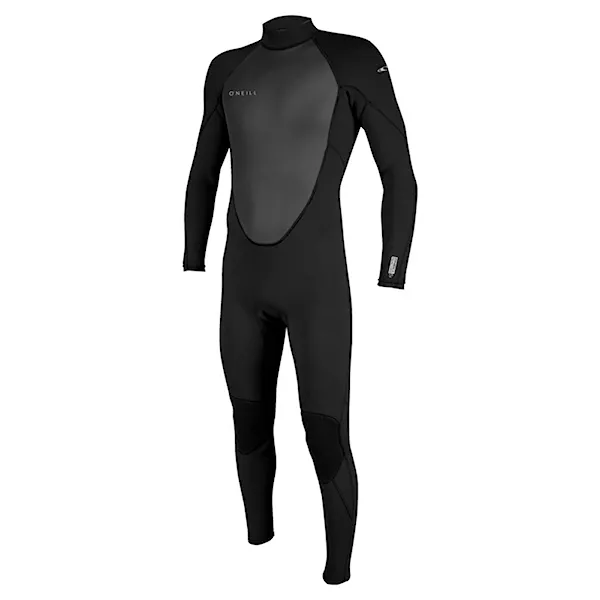
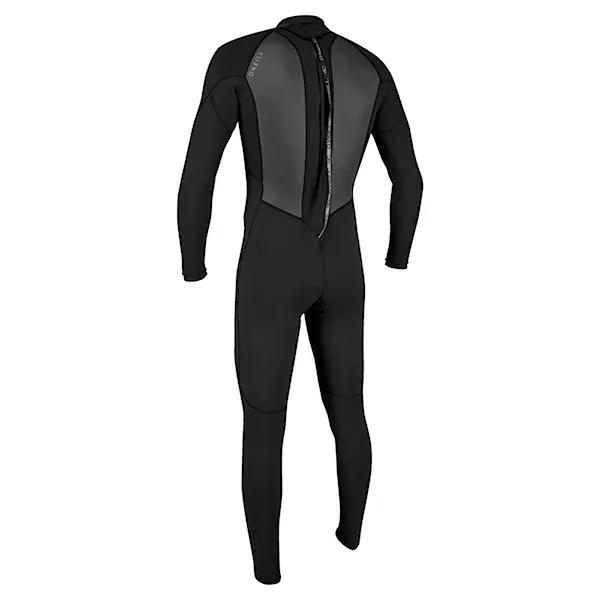
O'Neill Reactor II 3/2 Back Zip Full black/black
103.90 €
130.00 € -
- 6
- 8
- 12
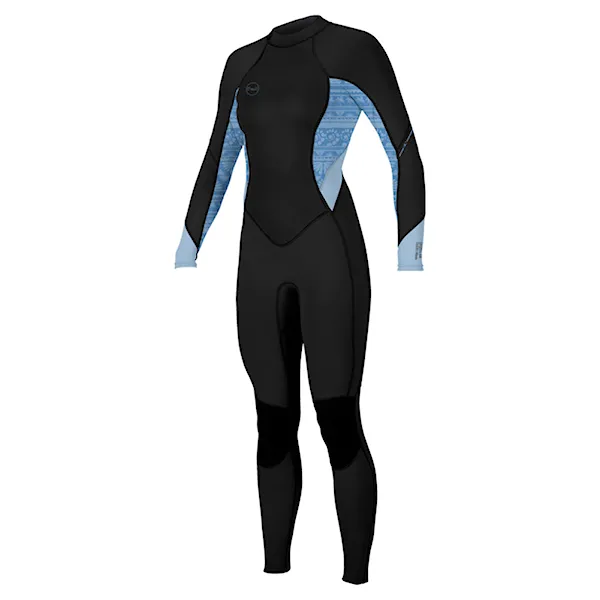
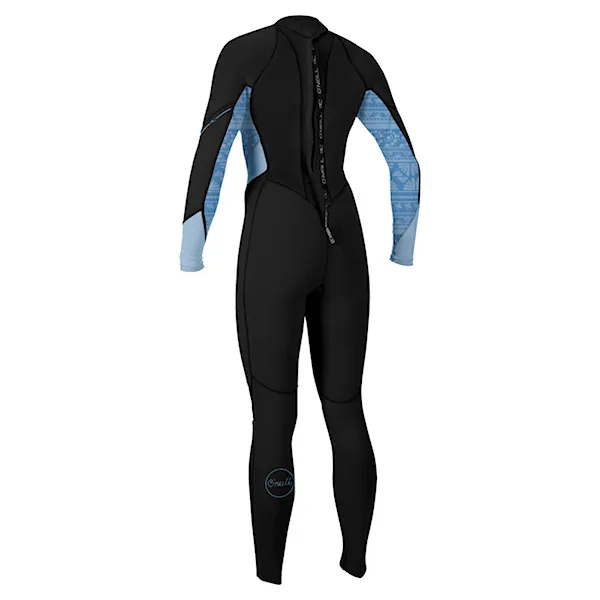
O'Neill Wms Bahia 3/2 Back Zip Full black/surfabstract/chambrayblu
143.90 €
180.00 € -
- XS
- S
- M
- XL
- LS
- LT
- MT
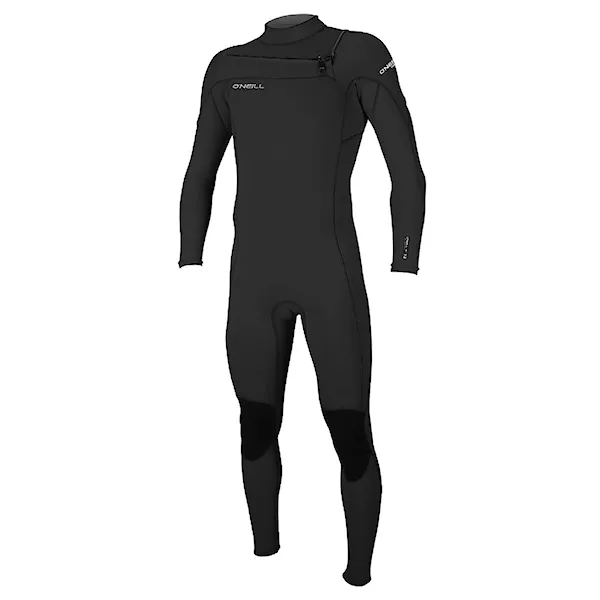
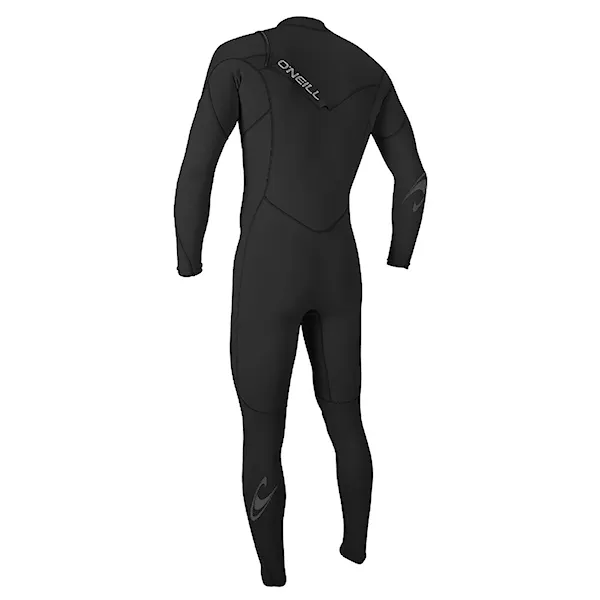
O'Neill Hammer Chest Zip 3/2 Full black/black/black
159.90 €
200.00 €
For more than 70 years, the O'Neill brand has been synonymous with the most technically advanced wetsuits, boasting performance, durability, and style. In order for a wetsuit to create a barrier between the body and the elements "out there," it must meet certain design standards. It has come a long way since its beginnings with the “oil sweater,” so here we have wetsuits with closed-cell construction consisting of thousands of tiny air bubbles that create an insulating layer, slow the transfer of heat and cold, and allow the body to retain warmth.
Pushing the limits further and further wouldn’t be possible without the Area 52 research and development center in North America, where O’Neill employs a team of engineers, designers, and prototype developers. It is there that new ideas and products are born, later tested by top athletes around the world. The reference to the mysterious Area 51, a secret military testing site in Nevada, is no coincidence, and many of O'Neill’s innovations seem almost otherworldly.

News That's Making Waves
The technological and design magic of O'Neill wetsuits is clearly evident in one of their model lines, specifically the Hyperfreak Fire. It strikes the perfect balance between performance, technology, and comfort. The foundation is the 4th generation TechnoButter material family—the best the company has come up with so far. It uses recycled fibers enriched with graphene for the ideal balance of everything a wetsuit should have: durability and flexibility, the ability to retain heat and return it to the body, and, of course, comfort while wearing it.
TechnoButter 4 comes in various forms, and on a single wetsuit, you’ll find it combined according to the areas of the body it covers. Classic TechnoButter 4 is used on the shoulders and leg cuffs, while the arms and torso are covered by the TB4X variant, which is more flexible and doesn’t restrict movement, and TB4 Firewall on the front and back panels protects the body from heat loss.
However, the wetsuit sections would not be functional on their own without clever stitching. Whether it’s preventing water from entering the suit, retaining body heat, or maintaining mobility and comfort, it was necessary to design seams that meet these requirements while being as barely noticeable as possible on the body. In the case of the Hyperfreak Fire model, this role is fulfilled by Fluid Seam Weld 8mm silicone-urethane stitching, which, together with triple bonding and double seams, ensures waterproofing, durability, and flexibility.
It also features a comfortable water-blocking collar, ergonomic knee protection, tapered cuffs with 3D sealing elements, and water-resistant Redzone zippers. However, Hyperfreak is just one of many model lines from the O'Neill brand. Blueprint, Epic, Reactor, and the exclusively women's Bahia line all have something to offer. Plus, year after year, they bring the best of what has come out of the Area 52 lab and passed the tests of the most demanding riders on the planet.

How To Choose a Wetsuit?
High-quality wetsuits are essential for surfers and wakeboarders. When choosing one, there are several factors to consider. O'Neill offers a wide range of options so that everyone can find the right fit. A full-body wetsuit not only protects riders from the cold, but also from abrasions and the sun's rays.
-
- S
- M
- XL
- XXL
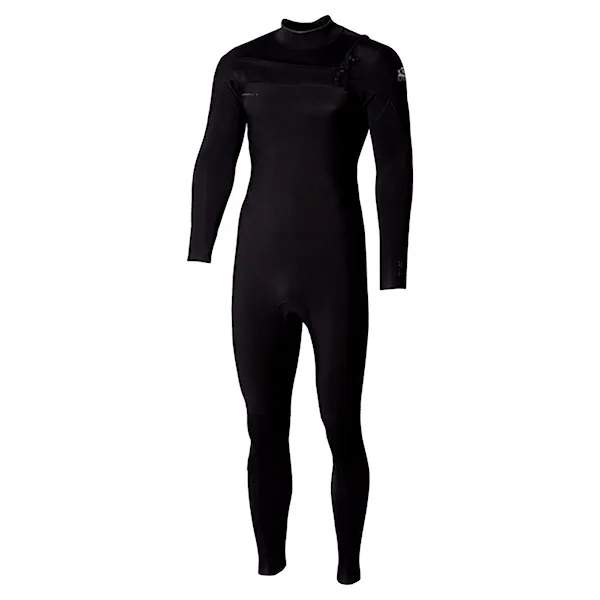
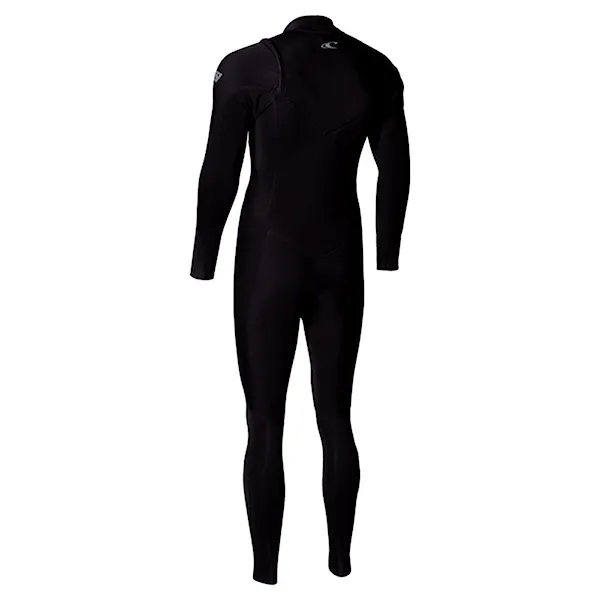
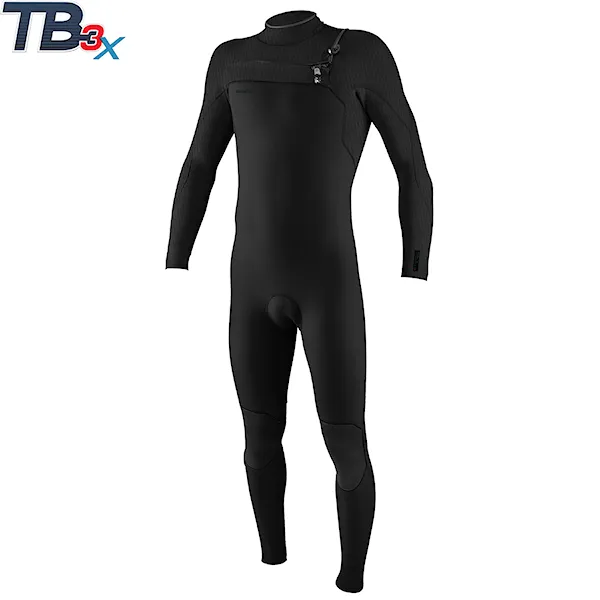
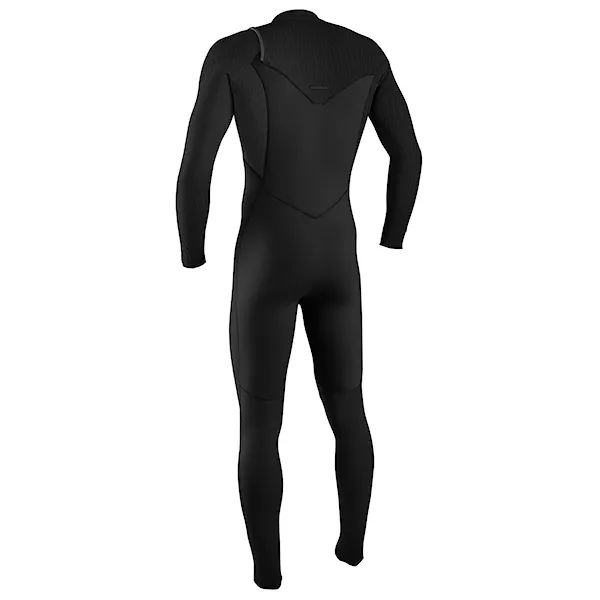
O'Neill Epic 3/2 Chest Zip Full black/black
199.90 €
250.00 € -
- S
- M
- L
- XXL
- MT
- LT


For a wetsuit to retain heat properly, you need to choose the right size—it should be snug yet comfortable. This is because the wetsuit traps a thin layer of water between the material and your body, which warms up and keeps you warm. If the wetsuit is too loose, there’s a risk that too much water will get in, which is something you definitely don’t want. Generally speaking, a full-body wetsuit is primarily for colder conditions, while warmer weather and water call for a shorter wetsuit that allows for greater mobility. However, in addition to expert advice, your own subjective feel is also important. It’s always ideal to try on a wetsuit before buying it to see how it fits you personally.
It’s also never a bad idea to familiarize yourself with the closure system, as different people prefer different styles—back closure (Z.E.N.), front closure (F.U.Z.E.), or completely zipperless (Zipless). When choosing, it’s also worth paying attention to the seams, as they can be sewn or glued. There are various types of quilting, and optimal thermal properties are achieved precisely through their combination.

What's With the Numbers in the Product Name?
Every wetsuit has a number in its name that indicates its thickness in millimeters. This helps you determine the temperature range for which the suit is designed, so you can choose the right one for both summer and cooler seasons.
Numbers in the 5/4 format, for example, mean that the suit is 5 mm thick on the torso and critical areas such as the shoulders and lower back, while the remaining parts of the body—the limbs—are 4 mm thick. Summer wetsuits are up to 3 mm thick and are suitable for warmer waters and weather, while winter wetsuits are thicker (3/2, 4/3, 5/4, 6/5, 7) and are particularly useful in cooler spring and fall conditions.

Wetsuit Care
To keep your wetsuit in top condition for years to come, you need to take good care of it. And it starts right from the moment you put it on! Always make sure to put the wetsuit on over dry skin and avoid stretching it forcefully. When putting it on, it’s important to position the knees and crotch correctly. Only then should you move on to the upper body. Taking the wetsuit off is similar, and patience—without unnecessarily stretching the material—is key.
To make washing and drying the wetsuit easier, it’s best to turn it inside out. Simply rinse the wetsuit with fresh water after each use—this prevents bacterial growth, unpleasant odors, and gradual material degradation. Once in a while, it’s a good idea to wash the suit in cold water with a special cleaner, such as O’Neill Wetsuit Cleaner/Conditioner. Just for peace of mind, because at O’Neill, they think of everything.
Subsequent drying on both sides should ideally take place somewhere in the shade, away from direct sunlight, which can damage the material. It’s important to dry the wetsuit folded at the waist, hung on a line, a rod, or draped over a chair to prevent stretching. After the season, it’s important to store the wetsuit. It’s best to find a dry, dark place where the suit can be laid flat on a mat. Most of us don’t have that luxury, so simply folding it at the waist and storing it in a closet will suffice.
Photo Gallery


The 5 Most Unique Technologies and Features of O'Neill Wetsuits
- Stitchless Sealed Seams: Triple-glued seams that block water on both sides without compromising flexibility. The seams move with the body and are exceptionally durable.
- Air Firewall: A game-changer in functional thermal insulation. Thanks to a special layering process—"sandwiching"—the neoprene features a specially perforated core that traps air in tiny pockets. This technology is currently featured in O'Neill's high-end Psycho Tech and Blueprint lines.
- Duraskin: Another special layering process that allows the adhesive to penetrate the layers more effectively, significantly increasing the material's durability. Combined with Air Firewall technology, it provides the ultimate shield against the cold.
- Double Super Seal Neck: A collar with a fully adjustable Glideskin seal. Comfortable and waterproof.
- Minimal Seam Design: Extreme flexibility, fit, and durability thanks to a unique design featuring large panels and fewer seams.

Now that you know how, dive into O'Neill's full range of wetsuits and pick the best one for you!