220.90 €
369.00 €
Sale 40% off
Price history
Lowest price in the last 30 days before the discount was applied: 369.00 €

- Free shipping!
- Estimated delivery on Tuesday 27. 10.
Men's Arbor Cypress Snowboard Binding
Arbor Cypress binding combines sustainability with superior performance. That's because this refined freeride binding comes with a new Bio Strap ankle strap this year, which is made from plant-based materials and offers a lighter, more comfortable fit.
The binding is ready to deliver great performance on wide and steep slopes. It features an exclusive System X Baseplate with even more fiberglass for superior stiffness and durability. The combination of a lightweight and stiff highback along with the improved baseplate support will enhance the natural characteristics of your board. If you like to see the world around you turn into disappearing blurs with speed and enjoy exploring untouched trails, the Arbor Cypress will be the right partner for you.
* If you are mounting the binding on the Channel system (Burton, Endeavor), you need to use the appropriate screws. Using the wrong screws can cause irreversible damage to the snowboard.
Specifications
- System X Baseplate - the baseplate that forms the basis of the X-shaped construction, connecting two toe and two heel zones for their perfect communication and energy transfer to the edges. At the same time, the design reduces the contact area between the binding and the board, thus promoting a more natural snowboard flexibility.
- Fiberglass Reinforcing - the baseplate contains 30% fiberglass to strengthen the structure and increase stability.
- 65A Durometer Outsole - the outsole is made of special TPE rubber to increase performance, the outsole is integrated into the System X construction between the binding and the snowboard, it dissipates high-frequency vibrations and provides perfect reflection and damping.
- 2XD EVA Footbed - double density insole design. The harder material provides better contact with the board and durability, while the bottom layer absorbs shock and provides comfort when impacting or riding on hard surfaces.
- Inclined insole - 1.5° tilt provides an ergonomic posture that is gentler on the joints.
- Asymmetrical Highbacks with 5° lateral rotation - asymmetrical highbacks with 5° rotation ensuring an ergonomic feel and free movement.
- UltraGrip Convertible Toe Strap - all Arbor bindings offer a flexible, comfortable and secure attachment of the bottom strap over the instep or over the toe.
- Bow Strap Adjuster - a pre-shaped bow strap that actively deflects itself outwards for easier entry into the binding.
- NEW Bio Strap - a light, sustainable strap made of plant material replaces plastic material. The injected strap is lighter, stronger and provides a reliable foot hold thanks to the comfortable curve and low-profile design.
- Cast Aluminum Buckles and Levers - aluminum ratchets ensure reliable performance, durability and a stronger fit for the best connection between the boot and the binding.
- 2x4 Universal Mini-Disc - discs require a smaller area and, together with the System X construction, help ensure a more organic snowboard flex in the binding area. They are compatible with the Channel system.
- Adjustable Extruded Aluminum Heelcup - heel made of highly resistant extruded aluminum enables perfect centering of the stance.

Might come in handy
-
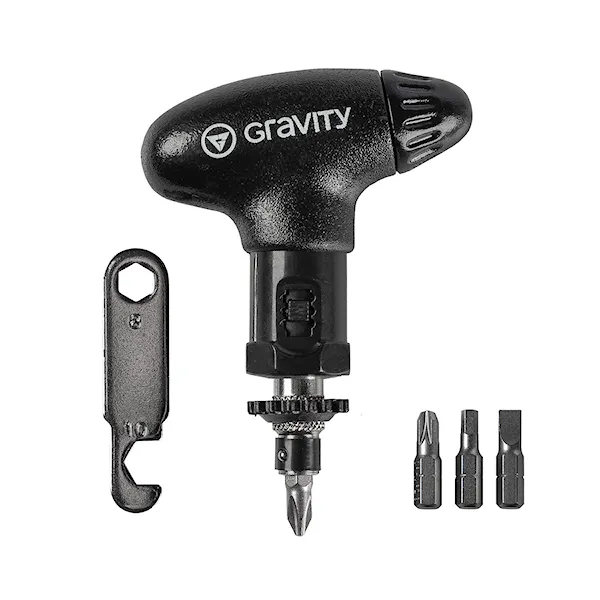
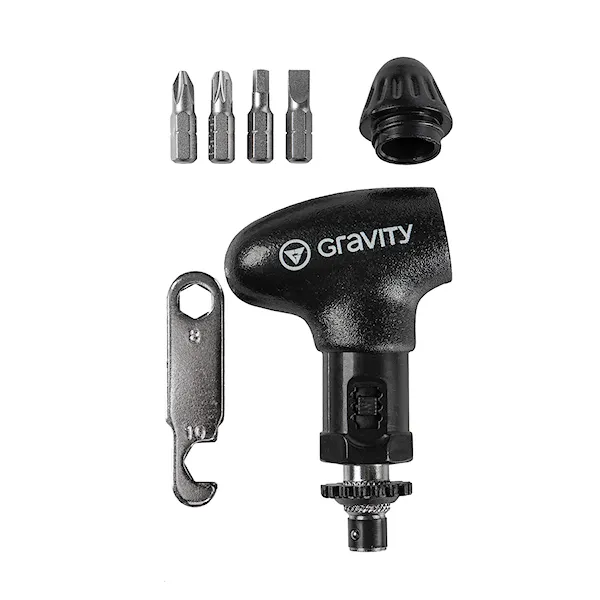
Gravity Rider Tool black/white
12.00 €
-
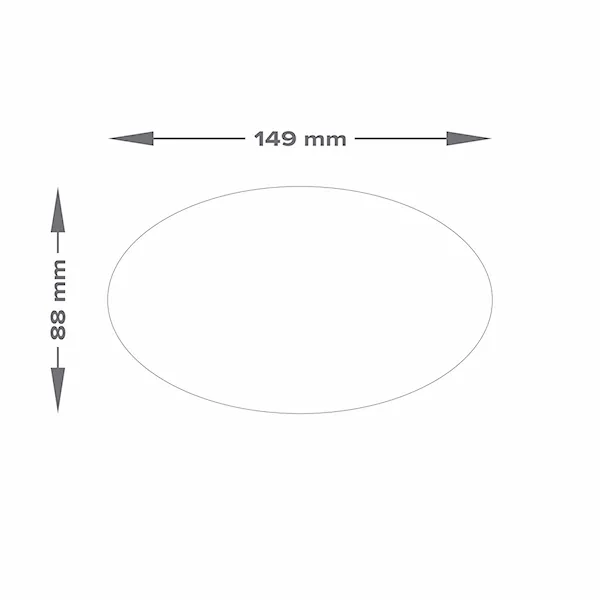
Gravity Logo Mat black/white
9.00 €
-
-
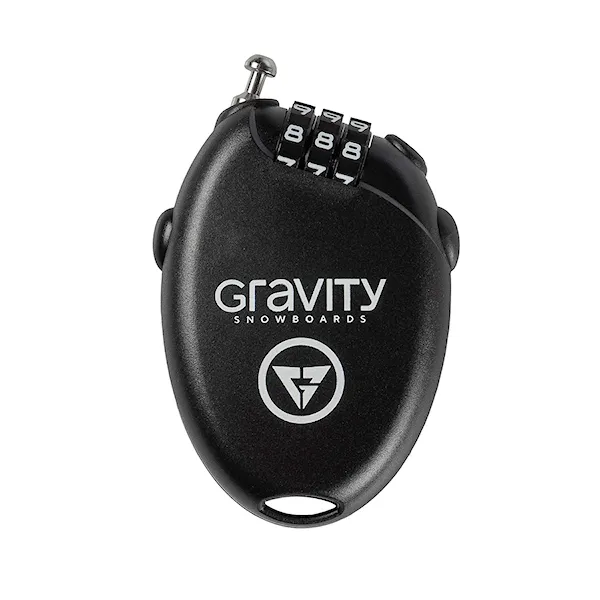
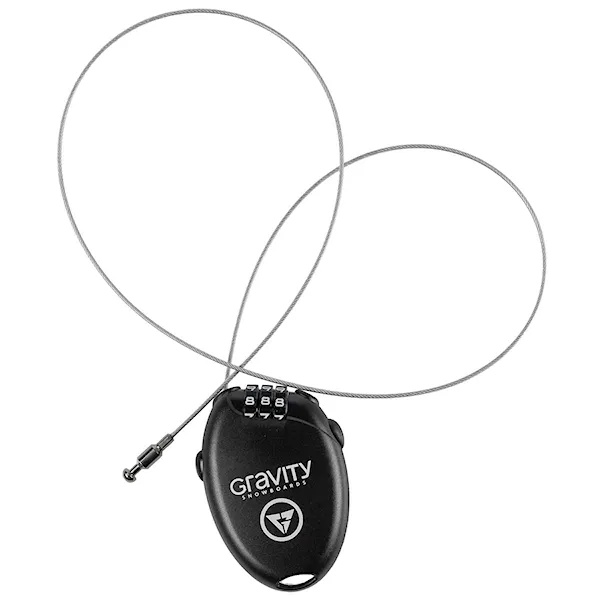
Gravity Snb Lock black
16.00 €
-
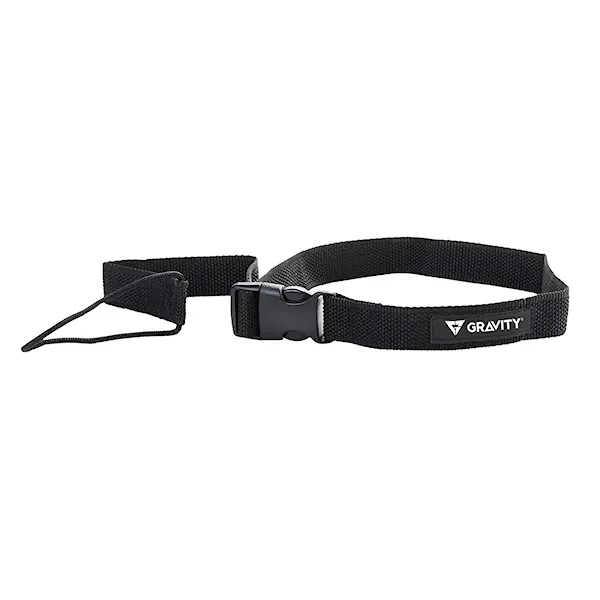
Gravity Strap Leash black
6.00 €
-
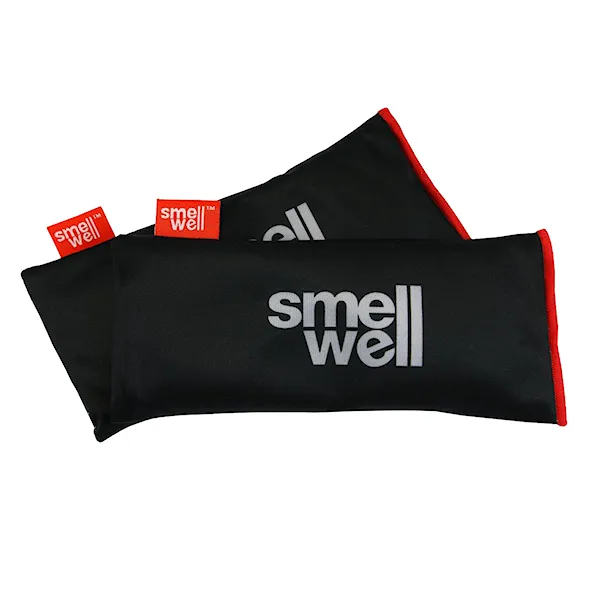
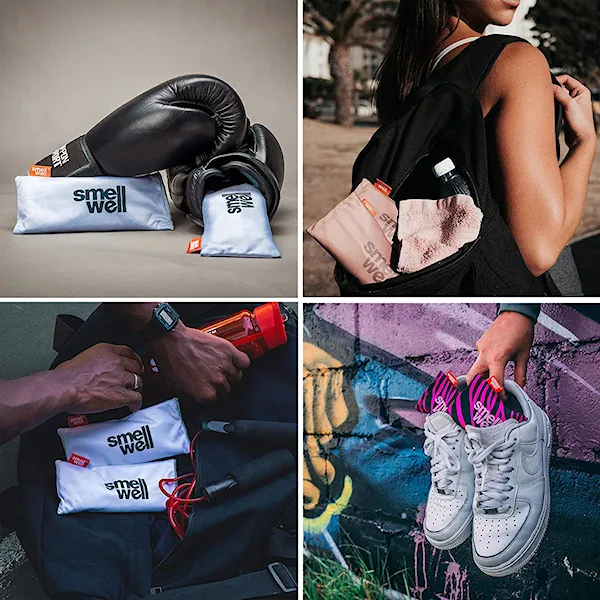
SmellWell Active XL Black Stone
16.90 €
-
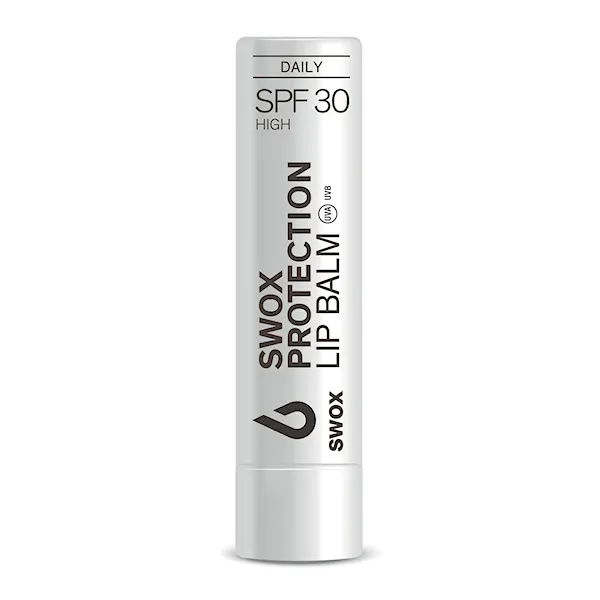
- 4 g
SWOX Mineral UV Lip Balm
6.90 €
-
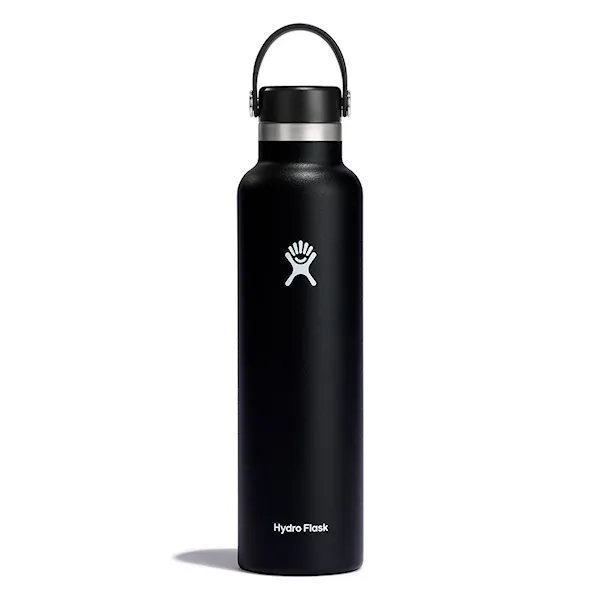

- 0,710L

| SIZE | S/M | M/L | L/XL |
|---|---|---|---|
| UK | 6-8 | 8-10 | 10-12+ |
| EUR | 39-42 | 42-44,5 | 44,5-47+ |
| US | 7-9 | 9-11 | 11-13+ |
| CM | 25-27 | 27-29 | 29-31+ |
Rule number one: boots first, then bindings! The right snowboard gear must match and fit perfectly, so don't underestimate its selection and follow a few important steps.

Choosing the right bindings depends on several different factors. The hardness of the bindings, size, type, material, and, of course, your budget are all important. We have a simple guide to help you make the best choice. But if you're still unsure, stop by our store in Brno. We'll discuss it together and recommend the best bindings tailored to your needs.
Boots First
Bindings should fit the size of your boots. That's rule number one. If you're choosing bindings in a store, it's best to bring your boots with you and try them on to see how they fit. The straps of the bindings should fit snugly around your boots. The easiest option is to combine bindings and boots from the same brand. These models are designed to fit together automatically.
Soft or Hard Bindings?
Choose the hardness of your snowboard and bindings according to your riding style. Softer bindings are more playful and suitable for both beginner riders and freestyle. We recommend choosing slightly harder bindings if you prefer hard carving on the slopes or freeriding.
Types of Bindings
The binding fastening method determines the basic characteristics of the binding: how easy it will be to step into it, how long it will take to fasten, and how you will feel when riding and connecting with the board.

Classic Two-Strap Binding
Strap bindings consist of a baseplate, a heel cup, and straps. The lower strap can be fastened over the toe or over the instep, but it is always necessary to use both hands and fasten both parts of the strap together.

FASE System
Classic-lovers will appreciate the smart and simple FASE technology, which makes it easier and faster to step in, while offering the same riding experience and no extra weight or bulk compared to two-strap bindings.

Flow Design
At the beginning of the season, you set the straps and then don't have to worry about them anymore. You step into the binding through the heel, which you simply click into place, making it a much faster way to put on your boots compared to two-strap bindings.

Supermatic
The Nidecker Supermatic is a revolutionary, fully automatic binding that retains the two-strap feel and works with all snowboard boots. Getting into the Supermatic requires no use of your hands at all.

Step On
The Step On system also offers similarly easy entry without bending over and sitting in the snow. It works exclusively with compatible boots, but its advantages include low weight and simplicity. Just step in and go.
For more information on choosing the type of binding, see the article Easy-entry snowboard bindings – How to choose the right ones?
Which Foot is in Front?
Advanced snowboarders have long known which foot should be in front and which behind. But if you're a complete beginner who has never stood on a board before, there's a simple trick to find out. Try running a short distance outside and jumping as far as you can. Did it work? Which foot pushed off the ground? That's the foot that should be on the snowboard first.
If you still don't know, ask a friend or family member to stand behind you and gently push you forward unexpectedly. The foot you push off with first is the one that will be on the board first.
What Angles to Choose When Mounting Bindings
And while we're on the subject of binding direction, it's important to keep in mind the angle at which to attach the bindings. Whether you prefer downhill skiing or jumping on rails, you'll be comfortable riding at 15° and -9°.
Overlap of the Binding Baseplate over the Snowboard Edge
Once you have successfully screwed on the bindings and are happy with the angle and stance, there is just one last important detail to check. The bindings (including boots) must not overlap more at the heel than at the toe (or vice versa). An unbalanced binding position can cause problems when riding – in short, your boots and bindings will constantly catch on the snow. And that really spoils the impression of a perfect ride!