Colorways


359.95 €

- Free shipping!
- Estimated delivery by 1. 12.
Jones Mercury FASE Snowboard Bindings
Proven two-strap performance, lightning-fast entry with the FASE® system, and even better response across any terrain.
At first glance, Jones Mercury FASE looks like a traditional two-strap snowboard binding. But there's a lot more going on beneath the surface. It preserves the precision, secure board connection, and comfort you've come to expect from conventional bindings while eliminating the hassle of lengthy strapping-in procedures. Thanks to the innovative FASE® Fast Entry System, all you need to do is slide your boot in, tighten the ankle strap, and you're ready to ride. No more searching for buckles or wasting time getting everything into position. Stepping out is just as simple and intuitive.
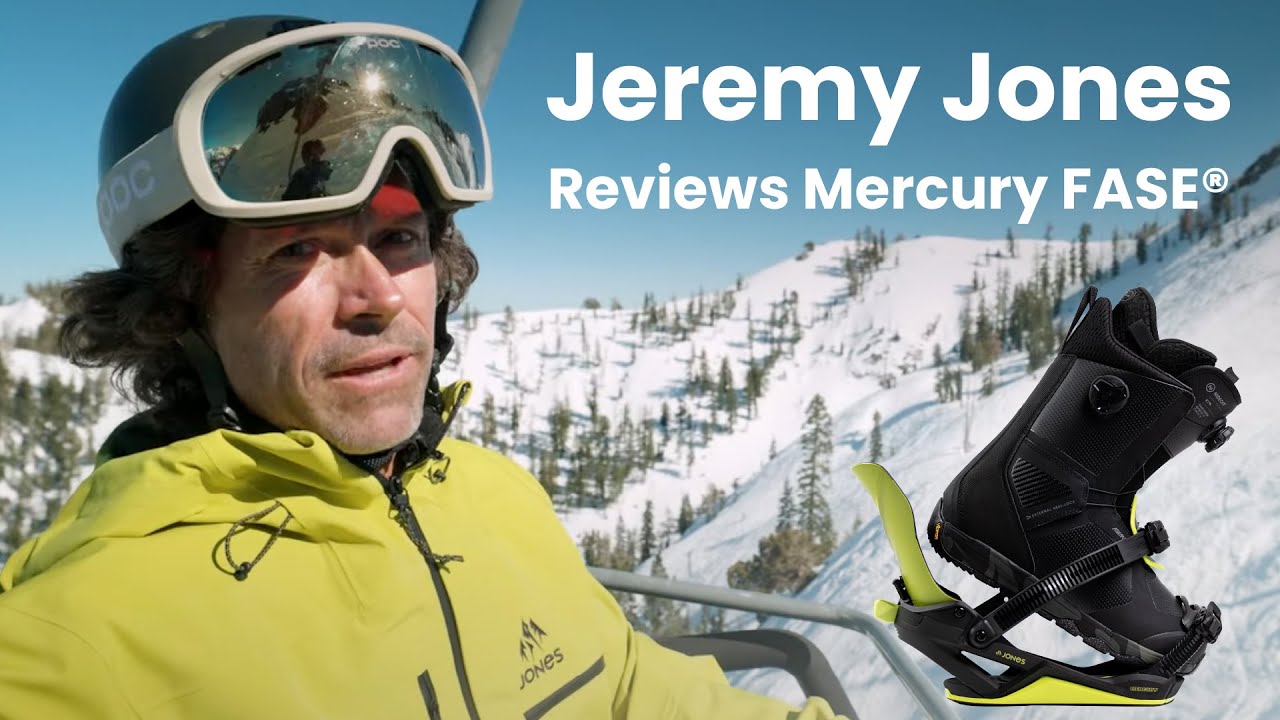
FASE® isn't just another attempt at creating an automatic binding. It's the result of more than seven years of development and testing across a wide range of snow conditions. Professional riders, including Jeremy Jones and Victor de Le Rue, contributed to refining the system. The result is a construction that preserves the natural feel of traditional two-strap bindings while making entry significantly easier. The mechanism integrates seamlessly without unnecessary bulk and works with standard snowboard boots.
Mercury FASE truly shines in all-mountain and freeride terrain, but it's equally capable of handling freestyle sessions. Its medium-stiff construction delivers an excellent balance of quick response, precise edge control, and freedom of movement. The asymmetric Fusion XR baseplate, AsymFlex highback, and effective ImpactCush cushioning work together to provide accurate board control and lasting comfort throughout the day. The latest model also introduces the upgraded LSR 2.1 Auto-Lock buckle, which securely maintains your preferred toe strap tension while allowing easy adjustments on the move.
- Flex: 7/10 – medium-stiff, lively, and responsive
- Riding level: beginner, intermediate, expert
- Terrain: Resort/All-mountain 10/10; Freeride/Powder 10/10; Freestyle/Park 8/10
- Pair weight: approximately 1.79 kg (size M)
FASE® Fast Entry System
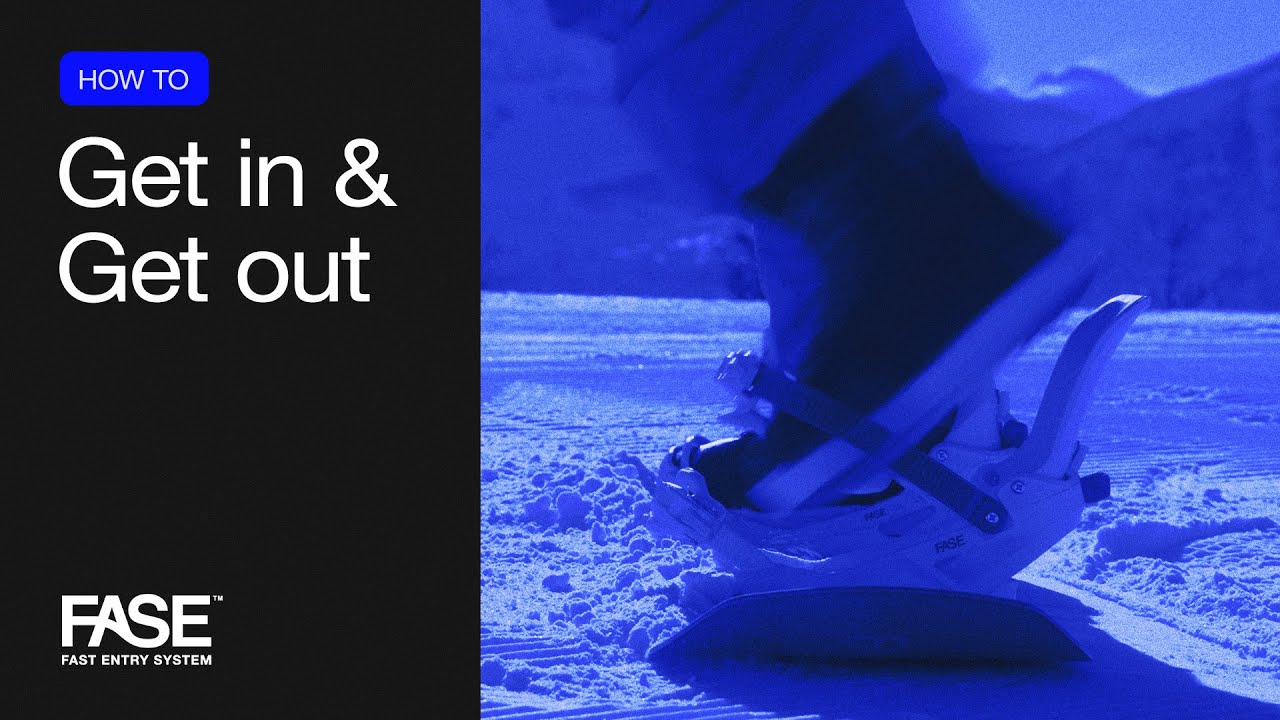
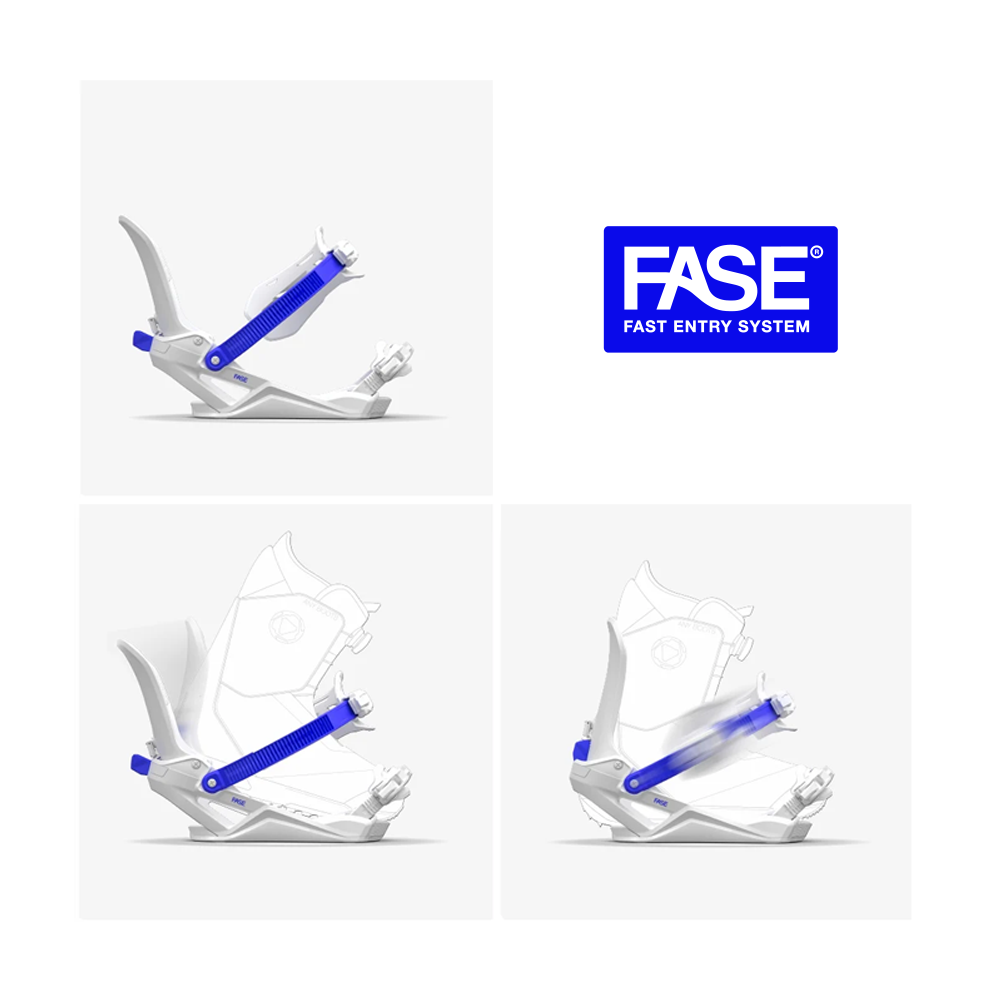
A revolutionary fast-entry and exit system combining the convenience of modern technology with the uncompromising performance of traditional two-strap bindings. Its operation relies on three interconnected components:
- The AutoBack – an automatically opening and closing highback operated by a pedal integrated into the heel section. As you slide your boot into the binding and apply pressure through the heel, the highback automatically closes. To exit, simply release the ankle strap and lift your heel. The highback can also fold forward for chairlift rides, skating across flat terrain, or storage.
- The FastStrap – an ankle strap featuring an extended ladder that remains connected to the buckle even when stepping out. This means there's no need to thread the ladder back into the buckle every time you strap in. Simply tighten it with one hand and adjust the tension whenever needed.
- The Locked-In Toe Strap – a toe strap designed to stay securely in its preset position. Set the tension before your first run, and there's no need to readjust it during subsequent entries. The upgraded LSR 2.1 Auto-Lock buckle works with a unique tri-toothed ladder to maintain a reliable hold. Its improved locking mechanism keeps the strap securely adjusted while still allowing convenient tightening or loosening.
Key benefits of the FASE® system:
- Quick and intuitive entry and exit without having to operate both straps
- Preserves the natural feel, response, and precision of traditional two-strap bindings
- Secure boot-to-board connection for efficient power transfer
- Convenient strap tension adjustments while riding
- Compatible with all standard snowboard boots
- Minimal added bulk, with the system adding approximately 40 g per binding
- Length and footprint comparable to traditional Jones bindings
- Proven performance across various terrains and snow conditions
Fusion XR Baseplate
The Fusion XR Baseplate features an asymmetric, low-profile design engineered for precise snowboard control and a natural connection to the board. Its construction combines immediate response with effective vibration damping, maintaining comfort even on hard or uneven snow.
- Glass-fibre-reinforced nylon composite provides strength, low weight, and efficient energy transfer during edge-to-edge transitions.
- The asymmetric construction supports precise board control across different terrain types and riding situations.
- Fusion Pad features a specialised three-layer combination of TPU and EVA foam to absorb vibrations, cushion impacts, and maintain comfort during long days on the mountain.
- The FASE® system is seamlessly integrated into the heel section without adding unnecessary bulk to the baseplate.
- A size M binding measures 294 mm in length, matching the corresponding traditional Jones bindings.
AsymFlex Highback
The AsymFlex Highback delivers a balanced combination of performance, comfort, and natural mobility. Its medium-stiff construction provides the support needed for aggressive carving and freeriding while maintaining enough flexibility for freestyle movements and tweaks.
- Asymmetrical Winged Outline – an asymmetric shape with an extended outer wing that naturally follows the boot and improves power transfer through turns.
- Asymmetrical Spine – the reinforced lateral side delivers quicker response and more precise edge control, while the softer medial side provides additional flexibility and comfort.
- Two-position Forward Lean – easy tool-free adjustment lets you choose between more aggressive response and a relaxed riding feel.
- Folding Highback – the highback folds completely forward for easier skating across flat terrain, comfortable chairlift rides, and compact storage.
Additional Features
- ImpactCush Footbed – effectively absorbs vibrations on rough snow and cushions impacts during hard landings. Its sliding construction is fully integrated with the FASE® system and features a 3° cant for improved power transfer and turning response.
- DualFlex Ankle Strap – an asymmetric design featuring a stiff TPU core for quick response and softer TPU edges that improve comfort and adapt to different snowboard boot shapes.
- Adaptive Fit Toe Strap – a flexible outer contour that conforms to the boot's toe box, while a reinforced central section provides a secure hold. The textured inner surface helps prevent unwanted strap movement.
- Alloy Buckles – high-quality aluminium construction engineered for durability and long-term reliability.
- Universal Mounting Disk – compatible with 4×4, 2×4, and EST/Channel mounting systems, allowing the bindings to be installed on snowboards from different brands.
- Tool-less Strap Adjustment – strap length can be adjusted easily without tools, allowing quick fit customisation while riding.

-
FASE
A system for quick and easy one-handed snowboard binding entry. It retains the feel of a traditional two-strap binding, simplicity and low weight, while working with any boots and snowboard.
Might come in handy
-
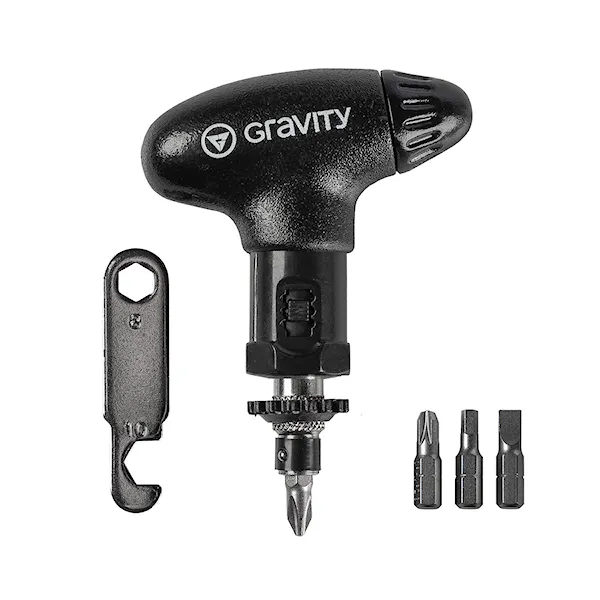
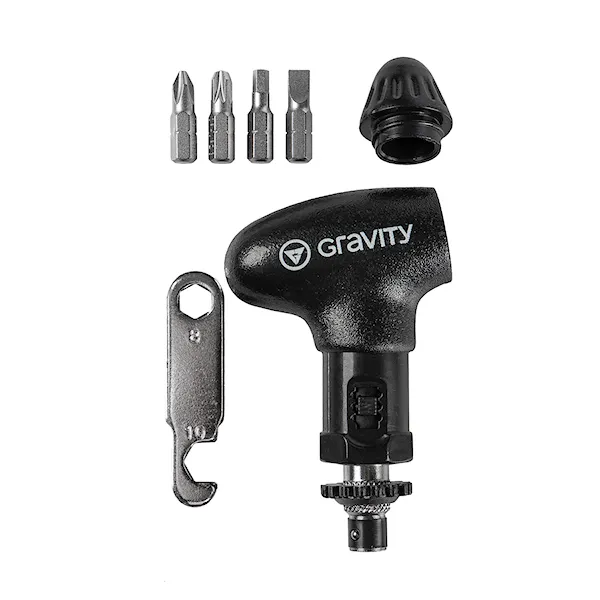
Gravity Rider Tool black/white
12.00 €
-
Gravity Strap Leash black
6.00 €
-
Gravity Spray Mat clear/black
7.69 €
9.00 € -
-
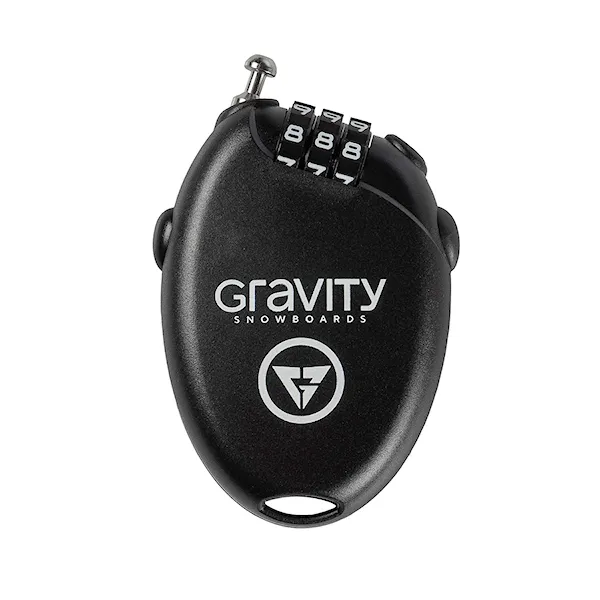
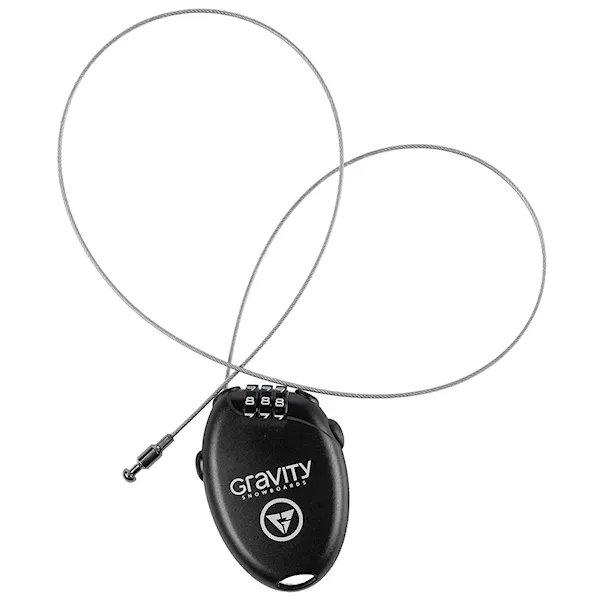
Gravity Snb Lock black
16.00 €

| S | M | L | |
|---|---|---|---|
| EU | 37.5 - 41 | 41.5 - 44 | 44.5 - 48 |
| UK | 4 - 7 | 7.5 - 9.5 | 10 - 13 |
| US Youth & Men's | 5 - 8 | 8.5 - 10.5 | 11 - 14 |
| US Women's | 6.5 - 9.5 | 10 - 12 | 12.5 - 15.5 |
Rule number one: boots first, then bindings! The right snowboard gear must match and fit perfectly, so don't underestimate its selection and follow a few important steps.

Choosing the right bindings depends on several different factors. The hardness of the bindings, size, type, material, and, of course, your budget are all important. We have a simple guide to help you make the best choice. But if you're still unsure, stop by our store in Brno. We'll discuss it together and recommend the best bindings tailored to your needs.
Boots First
Bindings should fit the size of your boots. That's rule number one. If you're choosing bindings in a store, it's best to bring your boots with you and try them on to see how they fit. The straps of the bindings should fit snugly around your boots. The easiest option is to combine bindings and boots from the same brand. These models are designed to fit together automatically.
Soft or Hard Bindings?
Choose the hardness of your snowboard and bindings according to your riding style. Softer bindings are more playful and suitable for both beginner riders and freestyle. We recommend choosing slightly harder bindings if you prefer hard carving on the slopes or freeriding.
Types of Bindings
The binding fastening method determines the basic characteristics of the binding: how easy it will be to step into it, how long it will take to fasten, and how you will feel when riding and connecting with the board.

Classic Two-Strap Binding
Strap bindings consist of a baseplate, a heel cup, and straps. The lower strap can be fastened over the toe or over the instep, but it is always necessary to use both hands and fasten both parts of the strap together.

FASE System
Classic-lovers will appreciate the smart and simple FASE technology, which makes it easier and faster to step in, while offering the same riding experience and no extra weight or bulk compared to two-strap bindings.

Flow Design
At the beginning of the season, you set the straps and then don't have to worry about them anymore. You step into the binding through the heel, which you simply click into place, making it a much faster way to put on your boots compared to two-strap bindings.

Supermatic
The Nidecker Supermatic is a revolutionary, fully automatic binding that retains the two-strap feel and works with all snowboard boots. Getting into the Supermatic requires no use of your hands at all.

Step On
The Step On system also offers similarly easy entry without bending over and sitting in the snow. It works exclusively with compatible boots, but its advantages include low weight and simplicity. Just step in and go.
For more information on choosing the type of binding, see the article Easy-entry snowboard bindings – How to choose the right ones?
Which Foot is in Front?
Advanced snowboarders have long known which foot should be in front and which behind. But if you're a complete beginner who has never stood on a board before, there's a simple trick to find out. Try running a short distance outside and jumping as far as you can. Did it work? Which foot pushed off the ground? That's the foot that should be on the snowboard first.
If you still don't know, ask a friend or family member to stand behind you and gently push you forward unexpectedly. The foot you push off with first is the one that will be on the board first.
What Angles to Choose When Mounting Bindings
And while we're on the subject of binding direction, it's important to keep in mind the angle at which to attach the bindings. Whether you prefer downhill skiing or jumping on rails, you'll be comfortable riding at 15° and -9°.
Overlap of the Binding Baseplate over the Snowboard Edge
Once you have successfully screwed on the bindings and are happy with the angle and stance, there is just one last important detail to check. The bindings (including boots) must not overlap more at the heel than at the toe (or vice versa). An unbalanced binding position can cause problems when riding – in short, your boots and bindings will constantly catch on the snow. And that really spoils the impression of a perfect ride!