466.90 €
549.00 €
BLACK FRIDAY -15%
Price history
Lowest price in the last 30 days before the discount was applied: 549.00 €

Become a member of ZEZULA Club and get many benefits!
- Free shipping!
- Estimated delivery on Wednesday 25. 11.
CAPiTA Spring Break Resort Twin Snowboard
Freestyle energy, the signature Spring Break style and a serious dose of fun on every part of the mountain. The CAPiTA SB Resort Twin brings the unique atmosphere of the Spring Break collection to a versatile snowboard built for everyday resort riding and creative sessions in the snowpark. It takes inspiration from its legendary sibling, the Powder Twin, but its traditional width and versatile freestyle geometry open the door to a much wider range of riders. The symmetrical True Twin shape gives you the same freedom when riding in either direction, allowing you to switch freely between your regular stance and switch, throw spins and explore new possibilities in your riding style.
Beneath the bold graphics lies a technically advanced construction that can be both playful and seriously energetic. The hybrid Resort V2 Twin profile combines the power of traditional camber with raised contact points and Flat Kick technology, giving you stability, quick edge-to-edge transitions and confidence in a variety of snow conditions. The medium flex rating of 5 offers an excellent compromise between easy control and the response you need, while the New Age Radial sidecut with Death Grip™ technology helps maintain edge hold even through sharper carving turns. Whether you're heading for a serious kicker session, cruising groomed runs or searching for creative side hits, the Resort Twin definitely won't get in the way of your fun.
A serious dose of pop and dynamic performance comes from the lightweight Meta Core™ wood core, supported by four Carbon V-Tech Amplifiers and HOLYSHEET™ TRI/BI fiberglass. This combination gives the snowboard strength, energy on take-offs and reliable response to every movement. The durable and fast Powder Drive™ base also provides smooth glide without demanding maintenance. The result is a proper freestyle all-rounder that combines the unmistakable personality of Spring Break with performance ready for anything you can think up on the mountain.
*The graphics on snowboards of the same model vary slightly depending on the size of the board.

Specifications
- Best For: Park, Resort, Freestyle
- Flex: 5/10
- True Twin Shape – a perfectly symmetrical construction with identical nose and tail geometry and a centred stance. It provides balanced riding characteristics in both directions, letting you fully enjoy switch riding, spins, jumps and other freestyle tricks.
- Resort V2 Twin Hybrid Profile + Flat Kick Tech – the profile combines positive camber between the bindings with gradually raised contact points at the nose and tail. The camber provides energy on take-offs, stability at higher speeds and reliable edge hold, while the raised contact points make the board easier to control and help when riding in softer snow. Flat Kick technology, with flatter sections at the ends, supports smooth edge-to-edge transitions, stability during freestyle riding and improved float in powder.
- New Age Radial Sidecut with Death Grip™ – the sidecut uses a smooth radius from one contact point to the other, complemented by Death Grip™ technology. This creates an additional contact point in the centre section of the snowboard, improving pressure transfer to the edge and providing greater confidence when carving, even on firmer snow.
Construction
- META CORE™ – a lightweight, high-performance wood core based on P2 Superlight Core™ construction, combining poplar, paulownia and beech reinforcements. Beech stringers running through the insert area increase strength, support impact absorption and give the snowboard even more pronounced pop. The result is a durable, highly responsive core capable of handling demanding freestyle riding.
- 4 × 30 mm CARBON V-TECH AMPLIFIERS – four 30 mm-wide carbon reinforcements that increase the snowboard's dynamics, strength and response. Carbon is known for its high strength-to-weight ratio and helps transfer energy more efficiently during take-offs, landings and rapid changes of direction.
- HOLYSHEET™ TRI/BI FIBERGLASS – a combination of triaxial fiberglass above the core and biaxial fiberglass below it for an optimal balance of strength, flexibility and response. Special high-tensile-strength glass fibres allow for a durable construction without unnecessary additional weight. The result is an energetic ride with sufficient torsional support and reliable performance for both freestyle and resort riding.
- MAGIC BEAN™ Resin – a special plant-based resin containing 60% renewable biological raw materials, used to bond the wood core with the fiberglass. Its lower required processing temperature helps reduce the energy demands of production. Its high strength makes it possible to create lighter constructions with excellent flexibility, durability and energy return.
- PLT TOPSHEET TECHNOLOGY™ – an exclusive CAPiTA technology in which the topsheet is bonded to the snowboard after it has already been pressed. This process helps create an exceptionally smooth, lightweight and high-quality surface without the need for thick layers of lacquer. The result is a clean design, lower weight and a durable finish.
- POWDER DRIVE™ BASE – a fast and durable base developed specifically for the Spring Break collection. It combines the characteristics of sintered and extruded materials to provide good glide, high durability and low-maintenance performance. It works reliably on groomed slopes as well as in soft snow while maintaining good speed on flatter sections.
- Sublimation Base Graphics – a base printing technology in which colour is transferred directly into the material using heat and pressure. It allows for rich colours and bold graphics that become part of the base surface itself.
- Made with 100% Clean Energy – CAPiTA MotherShip™ – CAPiTA snowboards are manufactured at the technologically advanced MotherShip™ factory in Austria, which uses hydro and solar energy. The brand combines precise manufacturing, advanced technologies and a focus on reducing environmental impact.

| 152 | 154 | 156 | 158 | 160 | |
|---|---|---|---|---|---|
| Rider's Weight (kg) | 49-77 | 54-81 | 59-86 | 63-90 | 68-95 |
| Effective edge (cm) | 118 | 119.6 | 121.1 | 122.7 | 124.2 |
| Nose width (cm) | 29.6 | 30 | 30.4 | 30.8 | 31.2 |
| Waist width (cm) | 25 | 25.5 | 25.8 | 26 | 26.2 |
| Tail width (cm) | 29.6 | 30 | 30.4 | 30.8 | 31.2 |
| Sidecut (m) | 7.73/3/-1.5/3/7.73 | 7.90/3/-1.5/3/7.90 | 7.96/3/-1.5/3/7.96 | 8.06/3/-1.5/3/8.06 | 8.16/3/-1.5/3/8.16 |
| Center stance (cm) | 53.3 | 53.3 | 55.9 | 55.9 | 58.4 |
| Stiffness | 5 | 5 | 5 | 5 | 5 |
| Inserts | 4×2 | 4×2 | 4×2 | 4×2 | 4×2 |
Might come in handy
-
- 150
- 155
- 160
- 165
- 170
- 175
Gravity Icon black
41.90 €
49.00 € -
Gravity Wax Iron black/white
41.90 €
49.00 € -
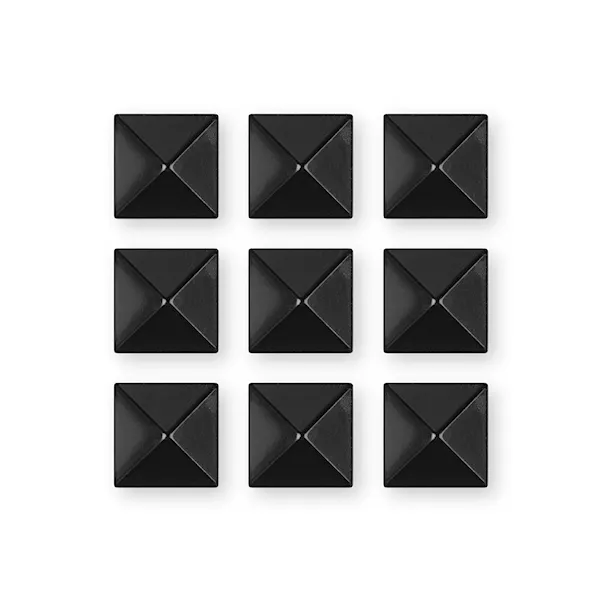
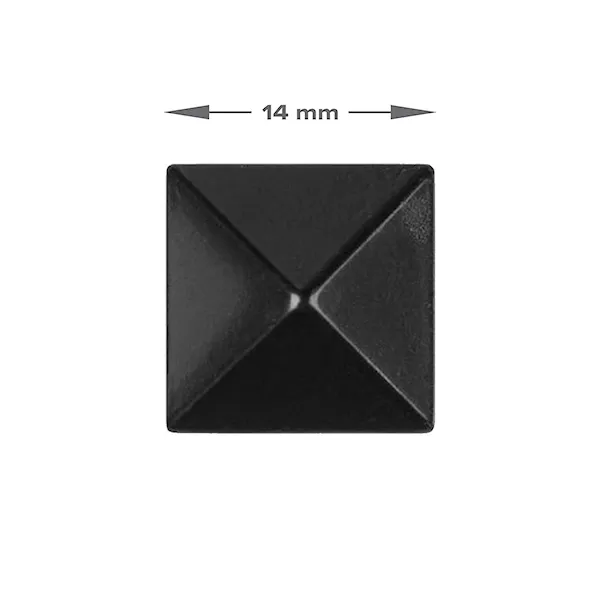
Gravity Pyramid Studs black
9.99 €
12.00 € -
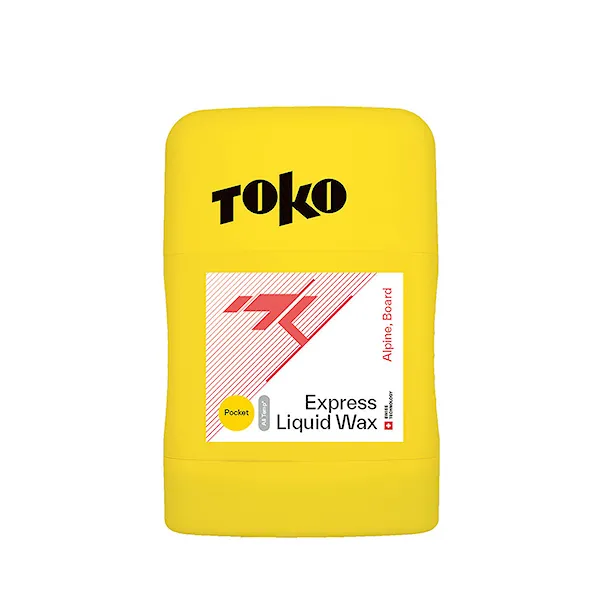
- 100ML
-
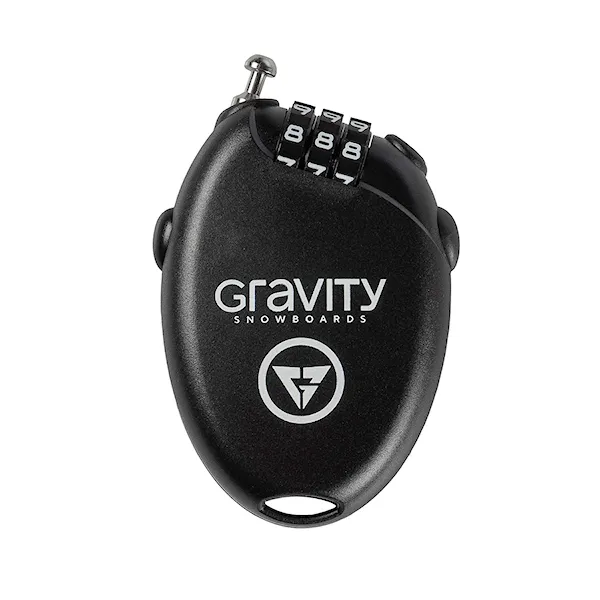
Gravity Snb Lock black
16.00 €
When choosing a snowboard, it is important that it matches the level and experience of the rider and his overall physical constitution - i.e. height and weight. A beginner with no previous experience should choose a snowboard that is not too specific in its parameters for a specific snowboarding style.

Advanced riders usually prefer a specific style – freeride (freeride / pow), freestyle (park riding on obstacles, jumps) or universal/allround (riding on the slope).
VIDEO: How to Choose a Snowboard
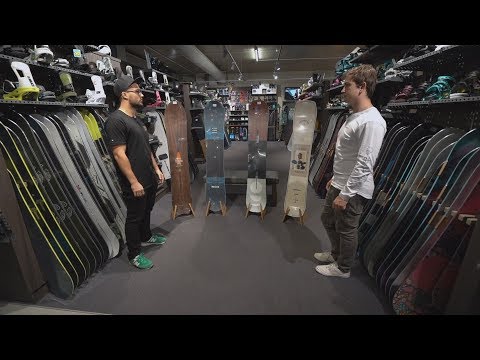
Snowboard Length
The length of a snowboard should generally be up to the chin. If the rider is expected to grow taller, choose a size between the chin and nose. For freestyle, you can choose a slightly shorter board, but this is not a rule. A board that is too short could cause you to over-turn in a turn, while a board that is too long makes it difficult to turn and is generally more difficult to control.
Rider's Weight
Every snowboard has a specified weight tolerance – i.e., the range between the minimum and maximum weight of the rider. When choosing a snowboard, it is important to consider whether the rider's weight falls within this tolerance. If the rider is too light for the chosen snowboard, they will not be able to bend it sufficiently in turns, will not ride the entire length of the effective edge, and will not be able to take advantage of the board's properties. Riders whose weight exceeds the weight tolerance risk overloading or damaging the snowboard.
If you are not sure whether the snowboard you have chosen is suitable for your weight, ask us!

Snowboard Width
The width of the snowboard is also an important parameter. The idea is that when riding in a turn, the rider's toes or heels should not touch the slope. Riders with boot sizes UK 10.5 (EUR 45) and larger should look for wide snowboards when choosing a board. With such a board, they will be able to carve turns without scraping the slope with their toes. Snowboards are also manufactured in mid-wide (slightly wider boards) and superwide (wide boards for really large feet) versions.


Snowboard Flex (Stiffness and Flexibility)
Softer boards are more suitable for beginners, are easier to control and forgive more mistakes. They are also sought after by freestyle riders who spend most of their time jibbing (riding over obstacles). However, at faster speeds, a soft snowboard is no longer obedient in the arc and cannot bounce as nimbly as a stiffer board.
Stiffer boards require experienced, fast to aggressive riding. When ridden fast, it holds better on edge and overall on frozen surfaces. The choice of a very stiff snowboard depends on the rider's experience, riding style as well as weight - lighter riders should opt for a softer snowboard instead. Not sure how stiff your snowboard is? Ask us!
Women's Snowboards
Women's snowboards take into account the specifics of the female figure. Girls have a different centre of gravity than men, their feet are smaller and their height/weight ratio is also different. All these differences are reflected in the geometry and construction of women's snowboards.
Women's snowboards are narrower, usually softer, and inserts are moved a few millimetres closer to the centre compared to the men's version.
Snowboard Camber Types
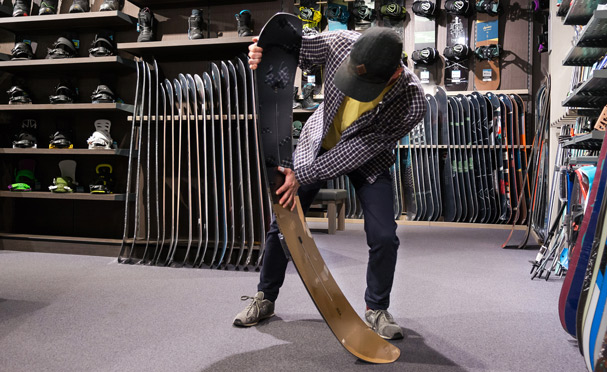
Another criterion when choosing a new snowboard is also the type of profile, such as camber, rocker, flat and various hybrid profiles such as CamRock, Flying V etc. The best way to know the type is to put the snowboard on a flat floor and look at its profile to see where it is bent and which parts of the base are touching the ground.
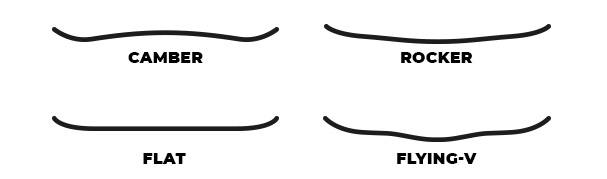
A beginner will be most comfortable with a rocker that is more forgiving of mistakes. The opposite camber bend is better suited for more experienced riders, as it can bite the edge more easily, so it's good to have the snowboard under maximum control, and it has more pop and more precise control over the rocker. The flat profile with almost zero camber provides stability in all terrain, but is most used in snowpark. The hybrid profile is a combination of camber and rocker together, making it a versatile all-mountain board. You can find out more about camber types in our dedicated article.
Balance of Components
The individual components of the snowboard equipment should be balanced. High-end snowboard assumes a higher model of bindings and snowboard boots. The equipment should be a balanced unit. Manufacturers often list recommended combinations of components in their catalogues and websites.
If you're buying a whole set of gear, it's a good idea to start by choosing your boots. Depending on the size, shape, thickness and possibly the brand of the snowboard boots, the appropriate bindings will be chosen.
For the maximum life of your snowboard, it's a good idea to follow a few rules and tips - these can be found in the article Snowboard Maintenance: Base and Edge Care.