523.90 €
699.00 €
Discount 25% off
Price history
Lowest price in the last 30 days before the discount was applied: 699.00 €

- Free shipping!
- Estimated delivery on Friday 30. 10.
Arbor Veda Camber Women's Snowboard
The Veda – designed with Marie-France Roy – is the highest-performing snowboard in Arbor's women's collection. Designed to be a directional, all-conditions tool for MFR, this board is built on Arbor's System Camber tech platform, which features Grip Tech and 3D Fender Technology. The Veda has quick edge-to-edge turn initiation, noticeable nose float, and is responsive enough to hold a tight edge in the steepest steeps.
Board is part of the Omnis Collection: Omnis means "everyone" in Latin, and the Omnis Collection is everyone's all-mountain and daily-driver product category designed for a blend of on-resort and side-country experiences.
Specifications
- Flex: 7-8/10
- Terrain: Resort / Backcountry
- Level: Intermediate / Advanced
- Shape: Directional
- System Camber - camber profile, which is known and popular for good controllability and perfect edge hold even in the sharpest turns.
- Real Wood Powerply: wood and bamboo topsheet for great performance, aesthetics and style typical of Arbor. Topsheet is sustainably produced for long-lasting quality and durability.
- Grip Tech 1.25: technology adds contact points at the tip and tail for better control of the board when edging on snow and ice. A more ergonomic and direct connection of the snowboard to the snow for better control and response.
- 1,5° Fenders: Fender Tech is a 3D feature that symmetrically pulls a snowboards outer contact points up off the snow. On System Camber models, fenders can be found in both the nose and tail at the traditional contact points and are designed to create smoother turn initiation and finish. On System Rocker models, their primary purpose is added flotation on deep days.
- Highland III Core - A 5/20 blend of Poplar and Paulownia for lighter weight and higher performance. The Highland III has the highest ratio of Paulownia to Poplar.
- Sintered Base: A higher molecular weight, sintered base that provides added durability and speed.
- Manufactured with 100% Solar Energy
- Mixed Glassing: A triax over biax lay–up that’s best for versatility: pow, backcountry, groomers, jumps, and more.
- Bio-Resin: A replacement for traditional petroleum based resin that does not affect performance or usability. The ingredients that go into Entropy Bio Resin are obtained as by-products or waste products from other industrial processes and are produced using green chemistry techniques that reduce the material's carbon footprint by up to 40% compared to petroleum-derived equivalents.
- Wend Natural Wax: All Arbor snowboards are immediately ready to ride thanks to a layer of Wend Natural Wax.
- 360° Fully Wrapped Sidewalls: A 360–degree, fully wrapped sidewall that eliminates the need for tip fill, while effectively tying the whole snowboard together. A technology that delivers incredibly tight tolerances for improved board life and durability.
- Factory Tuned: Tuned contact points in the tip and tail before leaving the factory for a carefree ride.
- Recycled Steel Edges: Highly durable, recycled steed edges embody two of Arbor’s key values: quality and sustainability.
- .8 cm Taper: A shaping technique that narrows the profile of the snowboard towards the rear contact points. Tapered snowboards will have a wider nose and narrower tail, allowing the tail of the board to sink in deeper snow creating natural float and cleaner tracking.
- 2x4 14 Pack Inserts: classic inserts for a wide range of stance adjustments

| 145 | 150 | 154 | |
|---|---|---|---|
| Effective edge (cm) | 106.4 | 110.9 | 114.5 |
| Nose width (cm) | 28.1 | 28.6 | 28.9 |
| Waist width (cm) | 24.2 | 24.4 | 24.6 |
| Tail width (cm) | 27.3 | 27.8 | 28.1 |
| Sidecut (m) | 7.3 | 7.5 | 7.7 |
| Set back (mm) | 20 | 20 | 20 |
| Stiffness | 7 | 7 | 7 |
| Inserts | 4×2 | 4×2 | 4×2 |
Might come in handy
-
- 150
- 155
- 160
- 165
- 170
- 175
Gravity Icon black
49.00 €
-
Gravity Wax Iron black/white
49.00 €
-
Gravity Edge Tuner black
12.00 €
-
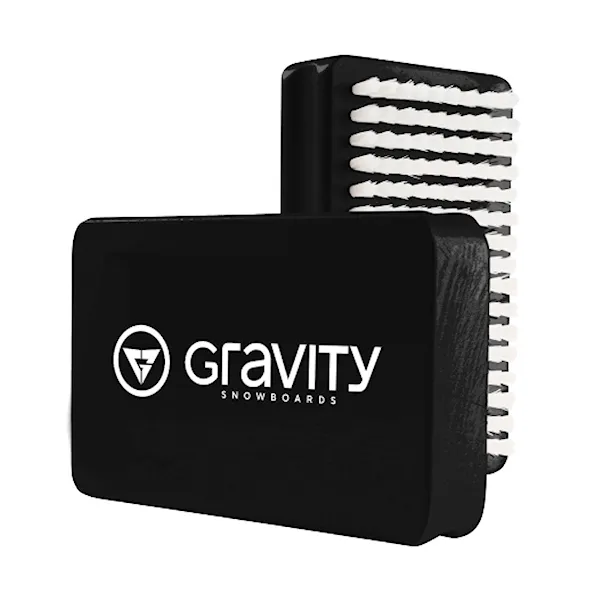
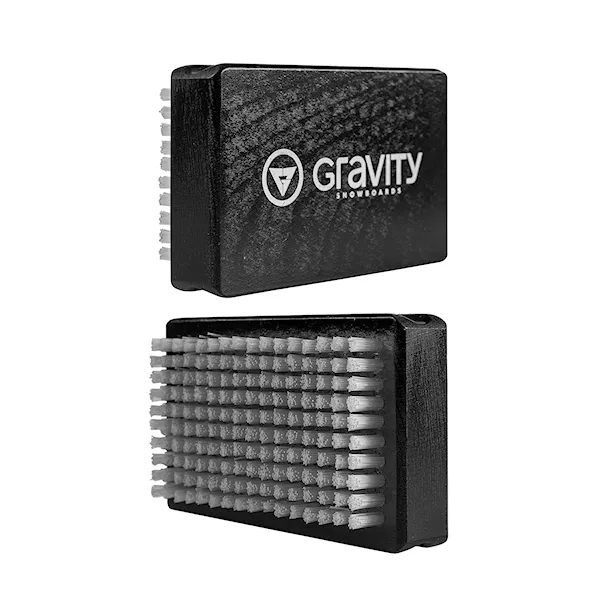
Gravity Wax Brush black/white
12.00 €
-
Gravity Wax Scraper clear
6.00 €
-
- 120 g
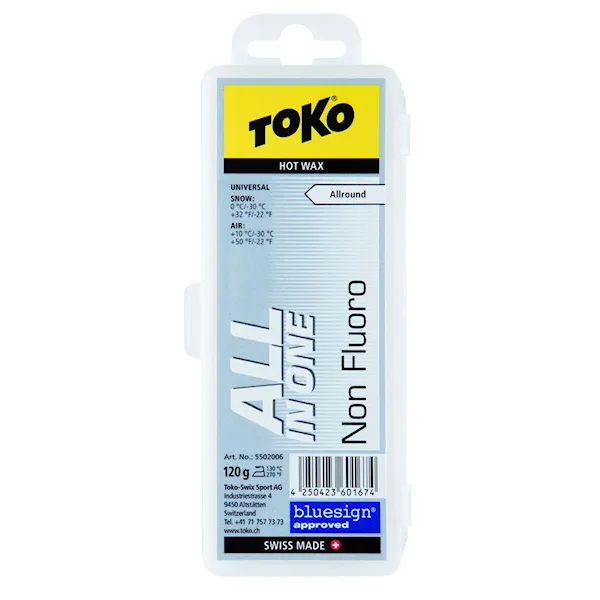
Toko All In One Hot Wax 120 g
16.00 €
-
- 75 ml
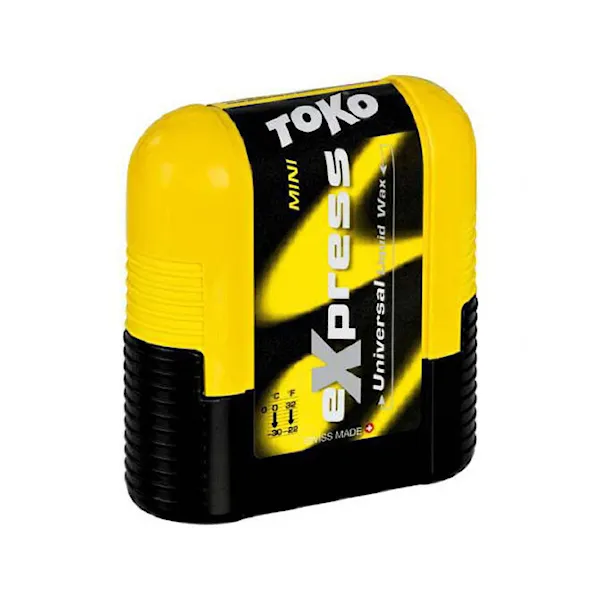
Toko Express Mini 75 ml
13.90 €
-
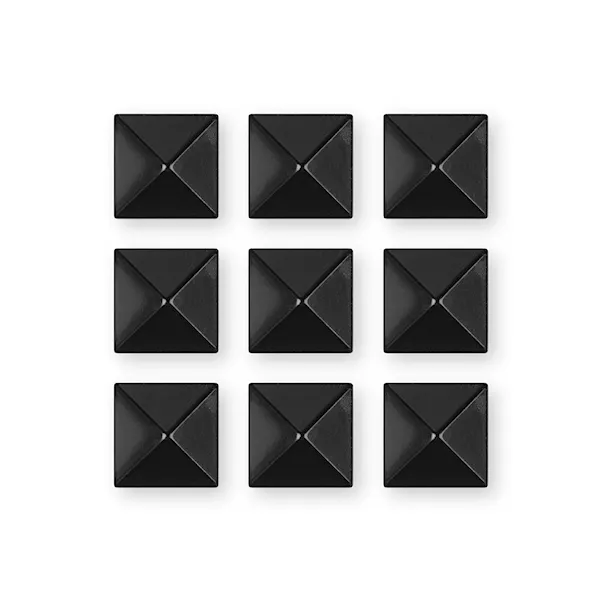
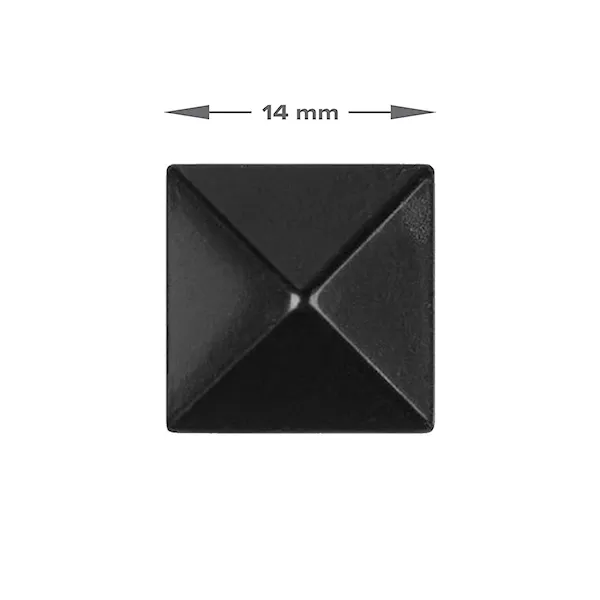
Gravity Pyramid Studs black
12.00 €
-
Gravity Strap Leash black
6.00 €
When choosing a snowboard, it is important that it matches the level and experience of the rider and his overall physical constitution - i.e. height and weight. A beginner with no previous experience should choose a snowboard that is not too specific in its parameters for a specific snowboarding style.

Advanced riders usually prefer a specific style – freeride (freeride / pow), freestyle (park riding on obstacles, jumps) or universal/allround (riding on the slope).
VIDEO: How to Choose a Snowboard
Snowboard Length
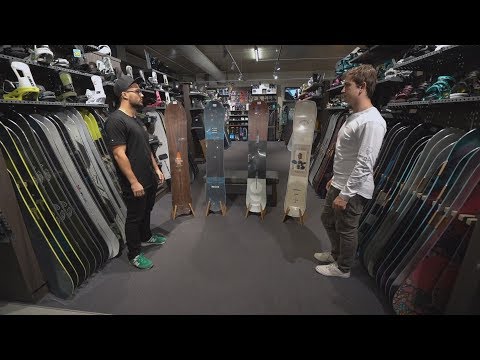
The length of a snowboard should generally be up to the chin. If the rider is expected to grow taller, choose a size between the chin and nose. For freestyle, you can choose a slightly shorter board, but this is not a rule. A board that is too short could cause you to over-turn in a turn, while a board that is too long makes it difficult to turn and is generally more difficult to control.
Rider's Weight
Every snowboard has a specified weight tolerance – i.e., the range between the minimum and maximum weight of the rider. When choosing a snowboard, it is important to consider whether the rider's weight falls within this tolerance. If the rider is too light for the chosen snowboard, they will not be able to bend it sufficiently in turns, will not ride the entire length of the effective edge, and will not be able to take advantage of the board's properties. Riders whose weight exceeds the weight tolerance risk overloading or damaging the snowboard.
If you are not sure whether the snowboard you have chosen is suitable for your weight, ask us!

Snowboard Width
The width of the snowboard is also an important parameter. The idea is that when riding in a turn, the rider's toes or heels should not touch the slope. Riders with boot sizes UK 10.5 (EUR 45) and larger should look for wide snowboards when choosing a board. With such a board, they will be able to carve turns without scraping the slope with their toes. Snowboards are also manufactured in mid-wide (slightly wider boards) and superwide (wide boards for really large feet) versions.


Snowboard Flex (Stiffness and Flexibility)
Softer boards are more suitable for beginners, are easier to control and forgive more mistakes. They are also sought after by freestyle riders who spend most of their time jibbing (riding over obstacles). However, at faster speeds, a soft snowboard is no longer obedient in the arc and cannot bounce as nimbly as a stiffer board.
Stiffer boards require experienced, fast to aggressive riding. When ridden fast, it holds better on edge and overall on frozen surfaces. The choice of a very stiff snowboard depends on the rider's experience, riding style as well as weight - lighter riders should opt for a softer snowboard instead. Not sure how stiff your snowboard is? Ask us!
Women's Snowboards
Women's snowboards take into account the specifics of the female figure. Girls have a different centre of gravity than men, their feet are smaller and their height/weight ratio is also different. All these differences are reflected in the geometry and construction of women's snowboards.
Women's snowboards are narrower, usually softer, and inserts are moved a few millimetres closer to the centre compared to the men's version.
Snowboard Camber Types
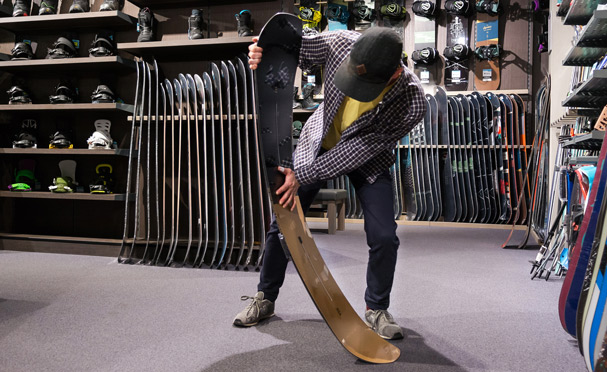
Another criterion when choosing a new snowboard is also the type of profile, such as camber, rocker, flat and various hybrid profiles such as CamRock, Flying V etc. The best way to know the type is to put the snowboard on a flat floor and look at its profile to see where it is bent and which parts of the base are touching the ground.
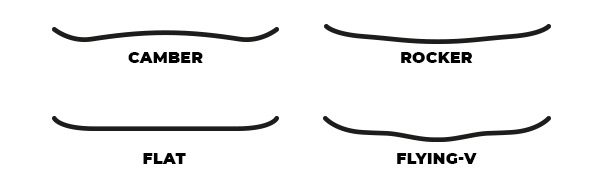
A beginner will be most comfortable with a rocker that is more forgiving of mistakes. The opposite camber bend is better suited for more experienced riders, as it can bite the edge more easily, so it's good to have the snowboard under maximum control, and it has more pop and more precise control over the rocker. The flat profile with almost zero camber provides stability in all terrain, but is most used in snowpark. The hybrid profile is a combination of camber and rocker together, making it a versatile all-mountain board. You can find out more about camber types in our dedicated article.
Balance of Components
The individual components of the snowboard equipment should be balanced. High-end snowboard assumes a higher model of bindings and snowboard boots. The equipment should be a balanced unit. Manufacturers often list recommended combinations of components in their catalogues and websites.
If you're buying a whole set of gear, it's a good idea to start by choosing your boots. Depending on the size, shape, thickness and possibly the brand of the snowboard boots, the appropriate bindings will be chosen.
For the maximum life of your snowboard, it's a good idea to follow a few rules and tips - these can be found in the article Snowboard Maintenance: Base and Edge Care.